

Available now
ALz Test
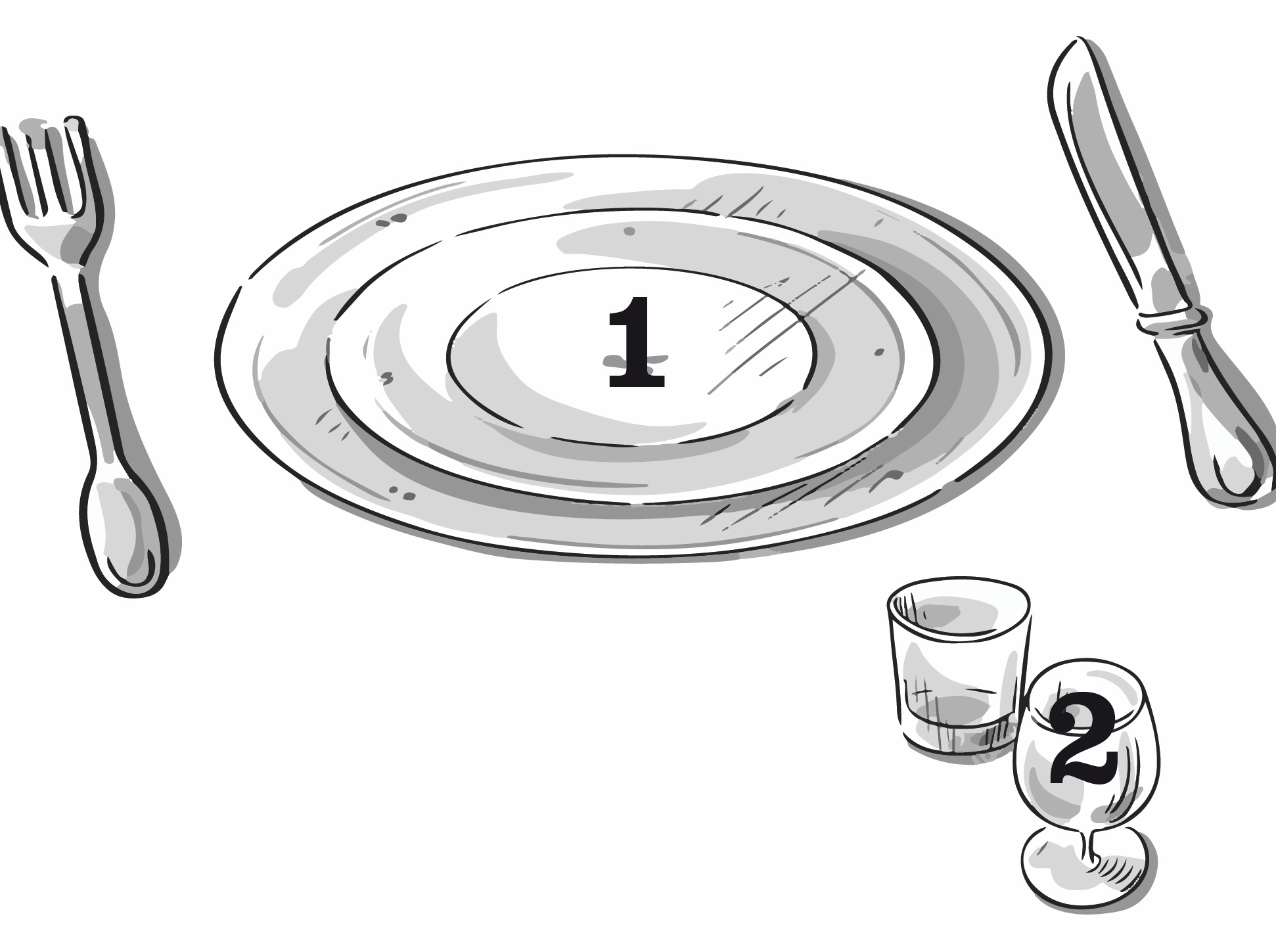
ALz Test uses picture-based questions to help people notice possible memory and thinking changes. It is available in Spanish, Russian, and English.
Memory self-checks, education, and daily habits
For people worried about memory changes, iBrainHealth offers ALz Test in multiple languages, clear education about cognitive self-checks, and practical habits to discuss with family or a clinician.
Why iBrainHealth
iBrainHealth brings ALz Test, plain-language dementia education, and brain-health habit guidance into one place. It is for people worried about memory changes and for families who want practical next steps without confusing medical language.
Start with self-checks
Begin with ALz Test, a picture-based educational self-check for possible memory and thinking changes. These tools can support awareness and conversation, but they are not diagnostic tests.
Available now
ALz Test uses picture-based questions to help people notice possible memory and thinking changes. It is available in Spanish, Russian, and English.
In development
Short tasks for noticing changes in focus, response patterns, and everyday attention over time.
Available now
Track memory, sleep, nutrition, hydration, exercise, stress, mood, and daily habits over time.
Start weekly check-in View dashboardLearn what may help
Learn what memory changes may mean, when to speak with a clinician, and how sleep, movement, social connection, learning, and metabolic health relate to long-term cognitive wellness.
Guided habits
A future guided program will turn brain-health education into weekly actions that are easier to practice, repeat, and discuss with family or a healthcare professional.
Complete cognitive and lifestyle self-checks, then decide what to discuss, monitor, or address with appropriate support.
Short lessons explain memory, food, sleep, movement, social connection, and cognitive reserve.
Simple weekly actions help people turn information into durable behavior change.
Periodic re-checks and reflection prompts help users see patterns without over-testing.
Research in plain English
Preliminary research found a strong association between ALz Test scores and Mini-Cog screening classifications. In the current archival analysis of 62 assessments, overall agreement was 80.6%, positive percent agreement was 92.0%, and negative percent agreement was 73.0%. The study was preliminary, unpublished, and not peer-reviewed, and Mini-Cog was a screening comparator rather than a clinical diagnosis.
Ways to keep learning
Book
A deeper, structured guide for people who want practical education about Alzheimer's disease and dementia.
View on AmazonVideo
Quick lessons explain memory concerns, dementia education, cognitive self-checking, and brain-health habits.
Watch video lessonsApp
The mobile companion page for App Store access, ALz Test background, and a clear path back to iBrainHealth.
Open app pageStart here
Use ALz Test in Spanish, Russian, or English. You can also visit the app page for App Store access, research background, and more information about ALz Test.
Educational information only. The Brain Health Check/ALz Test is not a diagnosis and does not replace evaluation by a licensed healthcare professional. iBrainHealth content and self-checks do not diagnose, prevent, treat, or guarantee outcomes. If you or someone close to you is concerned about memory or thinking changes, speak with a qualified clinician.