Nutrition
Bananas and Brain Health
Bananas are familiar, inexpensive, and easy to eat. They can be part of a balanced diet, but they should not be presented as a special treatment for memory problems.
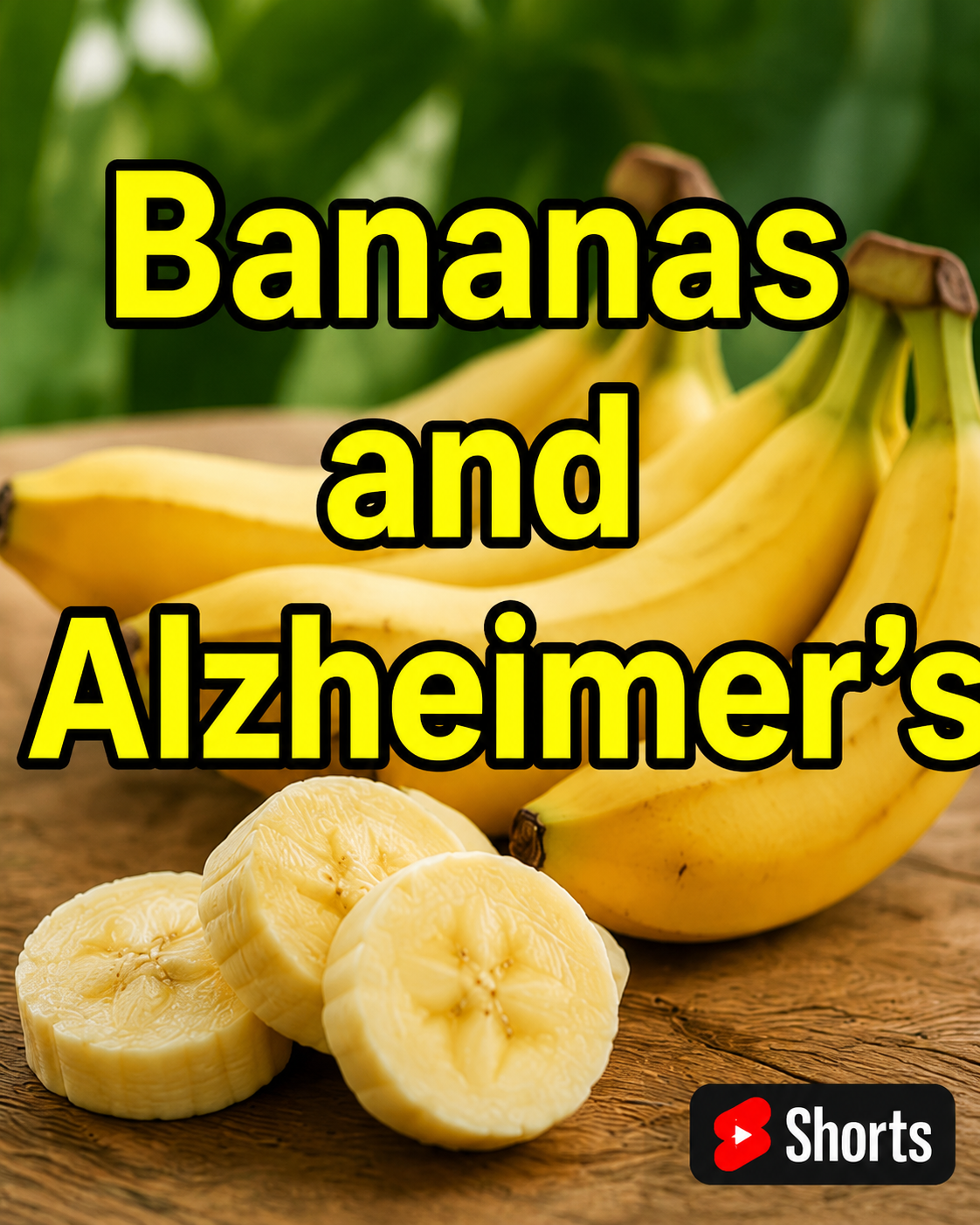
Watch the short version
Bananas and Alzheimer's
Bananas provide vitamin B6 and potassium, nutrients that play important roles in normal brain and nervous system function. They also contain carbohydrates that your body converts into glucose, the brain's primary source of energy.
Read transcript
Bananas contain vitamin B6, which helps your body produce neurotransmitters, the chemical messengers that allow brain cells to communicate with one another. They are also a good source of potassium, an important mineral that supports the normal function of the nervous system.
Here is something interesting: although your brain makes up only about 2% of your body weight, it uses around 20% of your body's energy. Its main fuel is glucose. Bananas provide carbohydrates that your body gradually converts into glucose, helping supply your brain with the energy it needs for everyday functions like memory, attention, and thinking.
Fun fact: Botanically speaking, a banana is actually a berry, and the banana plant is not a tree. It is the largest herb in the world.
Simple, delicious, and affordable, bananas can be part of a balanced diet that supports your overall health, including your brain.
Quick answer
Bananas can fit into a brain-health-supportive eating pattern because they provide energy and nutrients, but bananas do not prevent, diagnose, treat, or cure Alzheimer's disease or dementia. Overall diet quality and personal medical needs matter more than one food.
Why it matters
People often ask whether a specific food is good or bad for the brain. A better question is whether daily meals support steady energy, heart and blood-vessel health, metabolic health, and enough protein, fiber, fruits, vegetables, and minimally processed foods.
What research suggests
The National Institute on Aging describes cognitive health as part of overall brain health and discusses diet as one factor among many. Research generally points toward dietary patterns rather than single foods. Balanced eating patterns that include fruits and vegetables may support overall health, but no single fruit has been shown to protect a person from dementia.
Bananas may be useful as a convenient fruit, especially when paired with other foods such as oatmeal, yogurt, nuts, or other sources of protein and healthy fats. People with diabetes, kidney disease, or other nutrition concerns should follow individualized advice from their healthcare team.
Practical tips
- Use bananas as one fruit option, not the whole plan.
- Pair a banana with protein or healthy fat if you want a more filling snack.
- Consider portion size if you are watching blood sugar or carbohydrates.
- Ask a clinician or registered dietitian for personal nutrition advice if you have a medical condition.
Key takeaways
- Bananas can be part of a balanced eating pattern.
- Overall diet quality matters more than any single food.
- No food should be described as a cure or treatment for dementia.
Medical disclaimer
This content is for educational purposes only and is not medical advice, diagnosis, or treatment. If you are concerned about memory, thinking, or brain health, please talk with a qualified healthcare professional.